By Breakers West Properties
West Palm Beach is often described through a narrow lens—sun, water, and palm trees—but that surface view misses what actually defines life here. This city has layers shaped by early planning, historic neighborhoods, cultural institutions, and access to nature that goes far beyond the shoreline. We work with buyers who are surprised by how much depth West Palm Beach offers once you start paying attention to how the city really functions. These are the details that change how you experience living here.
Key Takeaways
- West Palm Beach has one of the largest concentrations of historic neighborhoods in South Florida.
- Cultural institutions influence daily life, not just tourism.
- Nature access extends well beyond the beach and Intracoastal Waterway.
- Neighborhood identity plays a major role in how residents live day to day.
A City Intentionally Planned From the Start
West Palm Beach did not grow randomly. The city was formally incorporated in the late 19th century and developed with defined residential areas, transportation corridors, and civic spaces that still shape how neighborhoods function today.
Why the City’s Early Planning Still Matters
- Residential neighborhoods were designed separately from commercial corridors.
- Streets and blocks reflect early planning tied to rail and waterfront access.
- Many neighborhoods remain primarily residential rather than mixed-use.
This intentional layout is one reason West Palm Beach feels more navigable and neighborhood‑driven than many other coastal cities in South Florida.
Historic Neighborhoods Are a Core Feature, Not a Niche
West Palm Beach contains multiple locally and nationally recognized historic districts, and these areas are not isolated pockets—they are active residential communities.
Notable Historic Areas Within the City
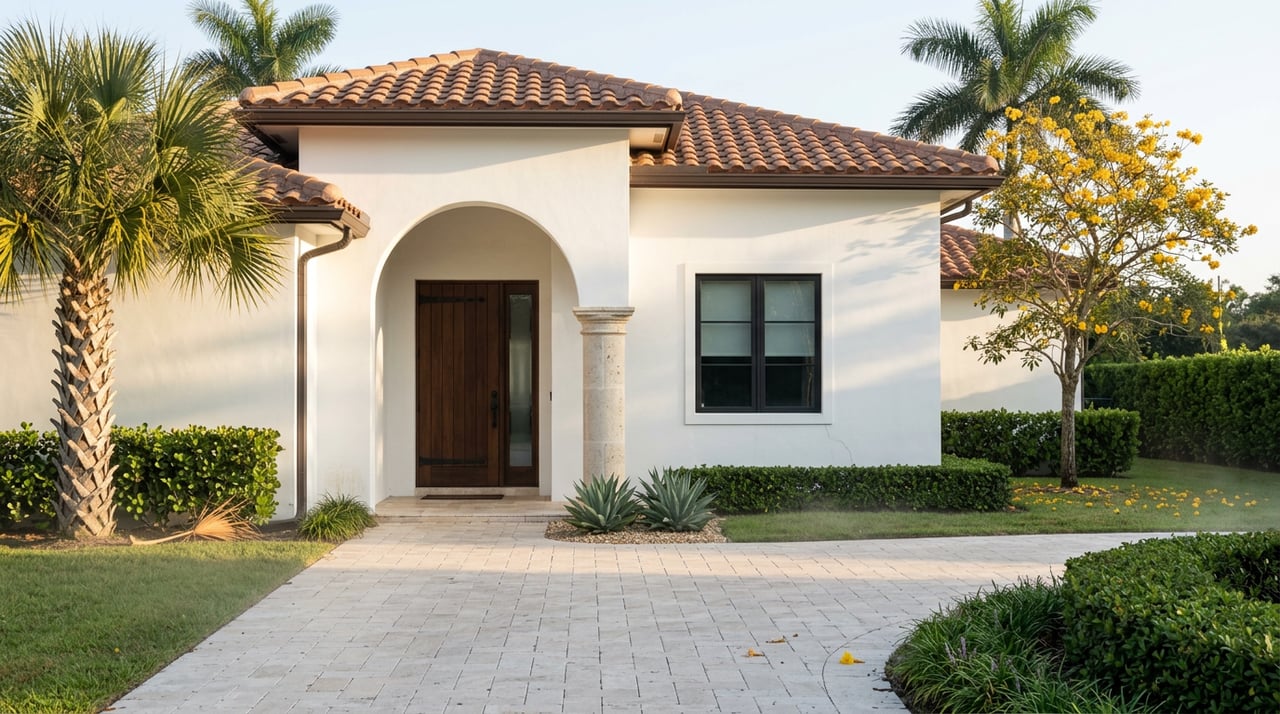
- El Cid is known for Mediterranean Revival homes dating to the 1920s.
- Grandview Heights includes early 20th‑century homes close to downtown.
- Flamingo Park and Old Northwood are established historic residential districts with long-standing preservation guidelines.
These neighborhoods influence property values, renovation standards, and the overall character of nearby areas.
Arts and Culture Extend Into Everyday Spaces
West Palm Beach supports a structured arts ecosystem that goes beyond major museums and performance halls. Cultural organizations operate year‑round and are integrated into community life.
How Culture Shows Up Outside Major Venues
- The Cultural Council for Palm Beach County supports exhibitions, grants, and programming tied to local artists.
- Public art and murals are present in designated districts such as Northwood Village.
- Downtown programming regularly incorporates live music and cultural events in public spaces.
Arts here are not limited to special occasions—they are part of how public spaces are used.
Nature Access Isn’t Limited to the Waterfront
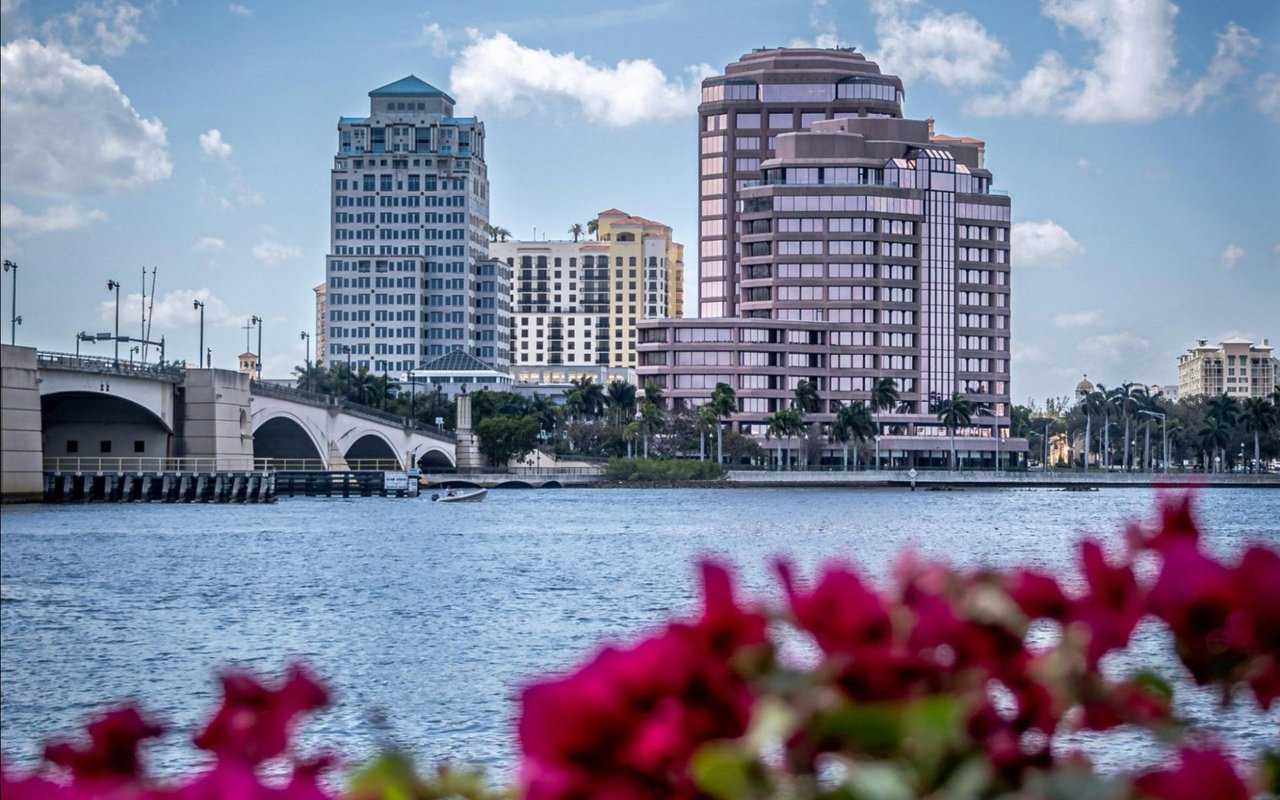
While the Intracoastal Waterway and Atlantic Ocean define the coastline, West Palm Beach also maintains access to inland natural areas that shape residents’ routines.
Natural Areas Residents Regularly Use
- Mounts Botanical Garden functions as an educational and recreational resource with curated plant collections.
- Grassy Waters Preserve protects wetlands that are part of the city’s water supply and offers boardwalk access and guided programs.
- Urban parks and green corridors connect neighborhoods to waterfront paths.
This range of environments gives residents options that don’t depend on beach conditions or seasonal crowds.
Markets and Food Culture Reflect the Local Population
West Palm Beach’s food culture is closely tied to its residents rather than seasonal tourism. Markets and long‑standing eateries play a larger role than destination dining alone.
What Defines the Local Food Scene
- The West Palm Beach GreenMarket operates seasonally and is one of the city’s most consistent community gatherings.
- Independent restaurants reflect Caribbean, Latin, and American influences common in South Florida.
- Many dining spots serve neighborhood regulars rather than visitors.
Food here is less about trends and more about continuity and local demand.
Neighborhood‑Level Events Shape Community Life
Large festivals draw attention, but smaller recurring events are what residents actually build routines around.
Events Residents Regularly Recognize
- Clematis by Night, a long‑running weekly outdoor concert series.
- Seasonal public programming hosted by the city in parks and waterfront areas.
- Community‑hosted activities tied to specific neighborhoods or districts.
These events reinforce neighborhood identity rather than creating temporary attractions.
Residential Areas Feel Distinct From One Another
West Palm Beach functions as a collection of neighborhoods rather than a single uniform city. Where you live directly affects how you experience daily life.
How Neighborhoods Differ in Practice
- Some areas prioritize walkability and proximity to downtown.
- Others emphasize privacy, larger lots, or water access.
- Historic districts follow preservation standards that affect renovations and resale.
Understanding these distinctions is critical when evaluating long‑term fit, not just price point.
Proximity Expands Lifestyle Options
West Palm Beach’s location allows residents to access a wide range of environments without long travel times.
Common Nearby Destinations
- Protected coastal areas north and south of the city.
- Inland communities offering equestrian facilities and open land.
- Regional parks and state preserves within short drives.
This proximity allows residents to maintain a coastal lifestyle while still accessing diverse experiences.
FAQs
Is West Palm Beach primarily a tourist city?
No. While tourism plays a role, the city has a strong year‑round residential population, and many amenities are designed for daily local use.
Are historic homes common in West Palm Beach?
Yes. Several neighborhoods consist largely of historic properties, and preservation standards influence how these homes are maintained and updated.
Does living here offer more than beach access?
Absolutely. Parks, cultural institutions, markets, and neighborhood events shape daily life just as much as the waterfront.
Contact Us Today
Understanding West Palm Beach means looking past the obvious and paying attention to how the city actually operates. At Breakers West Properties, we help you evaluate neighborhoods, lifestyle factors, and long‑term value with clarity and accuracy—not assumptions.
Reach out to us at Breakers West Properties. We’ll help you navigate West Palm Beach with real insight, so you can choose a home that truly fits how you want to live.