Two oceanfront condominiums, similar floor plans, similar views, similar asking prices. One trades quickly with a conventional loan. The other sits, drops, and eventually closes in cash at a discount that surprises everyone on the portal. The gap between them is almost never the finishes. It is a stack of documents most buyers still treat as a formality.
Since January 1, 2026, that stack has quietly become the most important number in a Palm Beach condo transaction.
The market has already sorted itself
Buyers on the island now sit across from sellers who fall into two increasingly separate groups. In one, the association has a completed Structural Integrity Reserve Study on file, a passed milestone inspection, a funded reserve schedule, and clean board minutes. In the other, one or more of those items is missing, adverse, or in progress. The pricing gap between those two groups is widening faster than any view premium.
The mechanism is straightforward. Florida condo inventory is up 38% year over year with 13.2 months of supply, pending condo sales have dropped 21% statewide, and values in major Florida markets are down between 4.7% and 9.9%. Special assessments in affected buildings have ranged from roughly $10,000 to over $100,000 per unit. Nationally, Fannie Mae's unavailable list has grown from a few hundred condos before 2021 to about 5,000, and in Miami-Dade, Broward, and Palm Beach counties alone, 696 buildings sit on it.
That last number is the one to keep in mind on Palm Beach. When a building loses Fannie Mae eligibility, its buyer pool contracts to cash and portfolio lending overnight. The asking price that looks like a bargain on a listing portal is often a building the conventional-loan buyer cannot actually purchase.
Why the 25-year clock hits Palm Beach earlier than most of Florida
Under Section 553.899, Florida's milestone inspection is required for condominium and cooperative buildings three or more habitable stories in height. The initial inspection is triggered in the year the building reaches 30 years of age, or 25 years if it sits within three miles of the coast. Every ten years thereafter, the process repeats.
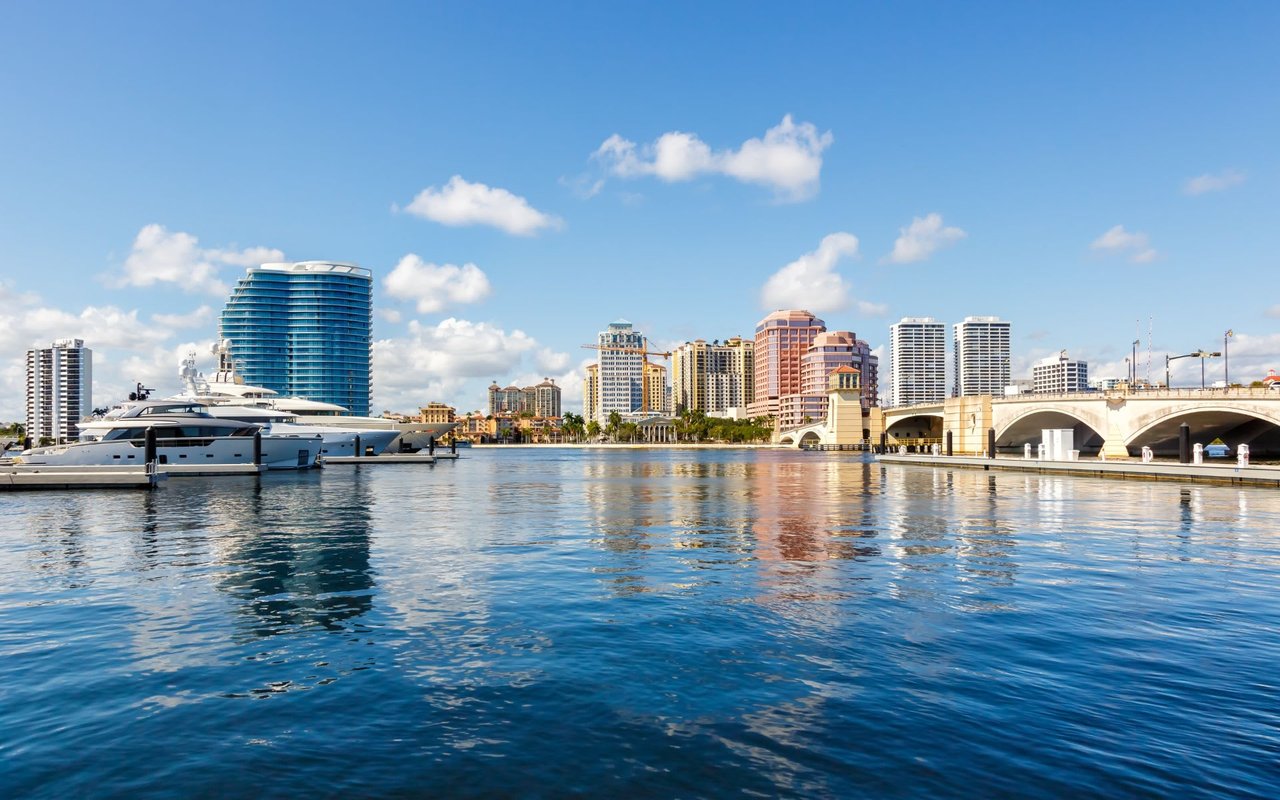
Palm Beach is a 16-mile barrier island. Almost every three-story-plus condominium on it hits the 25-year trigger, not the 30-year one. That is a five-year head start on the exposure most of the state faces, applied to buildings that also carry the full coastal load of salt air, humidity, hurricane cycles, and waterproofing wear. The practical result is that older Palm Beach stock reached its first inspection window well ahead of comparable inland communities, and the paper trail is now sitting in association files waiting to be read.
What a SIRS report actually tells a buyer
The Structural Integrity Reserve Study, mandated by Florida Statute 718.112(2)(g), is a reserve study that specifically covers eight structural components: roof, load-bearing walls and primary structural members, fire protection, plumbing, electrical, waterproofing and exterior painting, windows, exterior doors, and any other item with an impact on structural integrity over the statutory dollar threshold.
Reading it is less about the numbers than the relationships between them. The old checklist and the new one look like this:
| What buyers used to review | What actually matters in 2026 |
|---|---|
| Monthly maintenance fee | Reserve funding versus SIRS-required schedule |
| Recent renovations | Component list with remaining useful life |
| View, floor, exposure | Milestone Phase 1 findings and Phase 2 status |
| HOA rules and pet policy | Board minutes on repair bids, deferrals, and financing |
| Insurance certificate | Named-storm deductible percentage and HO-6 loss-assessment limit |
Two condos can share the same view and still carry very different risks and costs. A completed SIRS with reserves funded for structural items lowers near-term assessment risk. A study that references pending appendices, testing programs, or unfunded recommendations does the opposite, and it will not resolve itself in the thirty days between contract and closing.
Phase 1, Phase 2, and the question that decides everything
Milestone inspections come in two phases. Phase 1 is a visual, non-invasive assessment by a licensed architect or engineer of major structural components including foundation, load-bearing walls, columns, floors, and roof structure. If no substantial structural deterioration is found, the building passes and Phase 2 is not required. If substantial deterioration is found, Phase 2 is triggered, and it may include destructive or invasive testing to evaluate severity and identify repairs.
Phase 1 visual inspections have run from about $8,000 for smaller buildings to $150,000 or more for large high-rises. Phase 2 testing, when it is triggered, adds another $40,000 to $250,000 or more, and that is before any actual repair work. A Phase 2 finding typically means mandatory repairs within 365 days and a probable special assessment.
For a buyer, the single most useful diligence question is not whether an inspection has been done. It is whether Phase 2 was triggered, what it found, and how the association is funding the response.
The reserve line that cannot be waived
Before 2025, unit owners could vote to waive or underfund reserves, which kept monthly dues artificially low and pushed the real cost forward. That option is gone for SIRS-covered components. Under the current framework, associations existing on or before July 1, 2022, that are unit-owner controlled were required to complete their first SIRS by December 31, 2025, with a coordinated SIRS-and-milestone deadline of December 31, 2026 where both were due together. Full SIRS reserve funding began January 1, 2026 for budgets adopted after December 31, 2024. Reserves collected for SIRS items may not be spent on anything else.
That last rule is the one that produces the most confusion at closing. A healthy-looking reserve balance is not the same as a healthy SIRS reserve. The association can be well-funded overall and still be behind on the specific components the statute requires, which means the monthly contribution has to rise regardless of what the general balance shows. Buyers relying on the current dues figure to project carrying costs are often working from a number that is already scheduled to change.
Financing risk hiding in plain sight
Since 2022, Fannie Mae has required Full Review for condominium projects, which means lenders now request the HOA budget, financial statements, reserve study, delinquency data, and insurance documents on every purchase. Projects with significant deferred maintenance, insufficient reserves, or missing required inspections can be placed on the non-warrantable list, which blocks conventional, FHA, and VA financing.
On Palm Beach, the practical effect is that a building's paperwork status now determines its buyer pool. A financeable building draws conventional-loan buyers, jumbo buyers, and cash. A non-warrantable building draws cash and portfolio-lending clients only, which is a materially smaller field. When two similar units carry noticeably different prices, the delta is often that gap, not the finish level.
Insurance sits on top of that. Named-storm deductibles on Palm Beach master policies are typically percentage-based and can be large. Owners can be assessed their share of a loss after a storm, and HO-6 loss-assessment limits are frequently too low to absorb it. The declarations page is worth reading line by line, alongside the SIRS.
The document set to request before you remove contingencies
The building-specific paper trail is what turns a good offer into a defensible one. A reasonable request list, sent in writing, includes:
- The completed SIRS report with any appendices, testing programs, and follow-up reviews
- The most recent milestone inspection report, including Phase 2 findings if applicable
- The current reserve study and reserve funding schedule alongside the adopted 2026 budget
- Twelve to twenty-four months of board and owner meeting minutes
- Recent financial statements and any outstanding assessment notices
- Master insurance policy declarations, including named-storm deductible and loss-assessment terms
- Any correspondence from the local enforcement agency regarding milestone compliance
- Confirmation of the building's current Fannie Mae eligibility status through the buyer's lender
If a report references an appendix or a pending repair proposal, request that document as well. A repair discussed in meeting minutes should be traceable to a budget line, a reserve allocation, an assessment, a signed contract, or a documented decision to defer. Unexplained gaps are not necessarily defects, but they are questions worth asking in writing before contingencies come off.
Buyers weighing an established address against a newer offering such as Palm Beach Residences by Aman are not really comparing old to new. They are comparing whether each building's reserve plan aligns with its actual physical condition, its inspection history, and their own expectations for uninterrupted service. That comparison is where a broker earns the fee.
FAQ
Does the SIRS mandate apply to buildings under three stories? No. Milestone inspections and SIRS obligations apply to condominium and cooperative buildings three or more habitable stories in height. Lower-density buildings and most single-family HOAs under Chapter 720 are outside the SIRS framework, though they carry their own reserve pressures.
How does a licensed engineer's site access affect an owner's privacy during a SIRS? The visual portion of a SIRS must be performed or verified by a licensed engineer or architect, and it can require access to building areas that owners consider private. Established Palm Beach buildings generally handle this with staff coordination and advance notice, but it is worth confirming the association's protocol before closing, particularly for units with private elevator entry or terraces used as living space.
Can a new construction condo avoid all of this? The milestone trigger is age-based and will not reach a new building for decades. The SIRS trigger is height-based, so a three-story-plus building completed in 2026 still needs a SIRS on file. Developer turnover rules require a SIRS before control transfers to unit owners.
What if the SIRS is complete but the reserves are still underfunded? That is the situation to look at most carefully. The study identifies the shortfall, and the funding plan must close it through some combination of regular assessments, special assessments, lines of credit, or loans. The updated SIRS should reflect whichever method the board has chosen, and the current monthly figure should already carry that number forward.
Work with an advisor who reads the paper
The finishes are the easy part. The buildings that will hold their value on Palm Beach over the next ten years are the ones whose associations did the structural and financial work early, and the discount on the ones that did not is going to keep widening. If you are evaluating a condominium purchase on the island and want a second set of eyes on the SIRS, the milestone report, and the reserve schedule before you sign, Breakers West Properties reads that paperwork the way most agents read a floor plan. Work With Sarah.