Two buyers can close on the same street in El Cid within a month of each other, pay comparable prices per square foot, and end up on completely different timelines to a finished kitchen. The difference often comes down to whether either buyer understood, before making an offer, that West Palm Beach's historic districts run on a different calendar—and planned accordingly.
If you are looking at a 1920s Mediterranean Revival in El Cid or a bungalow in Flamingo Park, the purchase price is the easy number to plan around. The harder question is how long it takes to get permission to change what you just bought.
What actually triggers a board review
El Cid, Flamingo Park, and Grandview Heights are locally designated historic districts inside the city of West Palm Beach, and the city currently oversees 18 locally-designated historic districts and 46 individually-designated sites through its Historic Preservation Program. Designation is not decorative. Any exterior change visible from the street, additions, new construction, roofline changes, window and door replacements, paint color, fencing, even signage, requires a Certificate of Appropriateness from the city's Historic Preservation Board before a building permit can be issued.
Interior work is a different story. Opening up a floor plan, redoing a kitchen, adding a bathroom inside the existing footprint generally does not trigger board review, because it does not change what a passerby sees from the sidewalk. That distinction matters more than most buyers realize when they are budgeting a renovation before they own the house. The line the board actually cares about is the property line facing the street, not the walls inside it.
The city's own review matrix separates minor, in-kind repairs, which staff can approve administratively, from larger changes, which go to a full board hearing. A recent example shows how this plays out in practice. At its September 30, 2025 meeting, the Historic Preservation Board approved a Certificate of Appropriateness for a property on Dyer Road that included a second-story addition, but only after conditions were attached to reduce the addition's massing and preserve character-defining features, tied to the city's Section 94-49 compatibility standards. The same meeting saw the board deny a zoning variance and a fence application outright. Approval is not automatic, and even approvals often come with design conditions the buyer did not draw up.
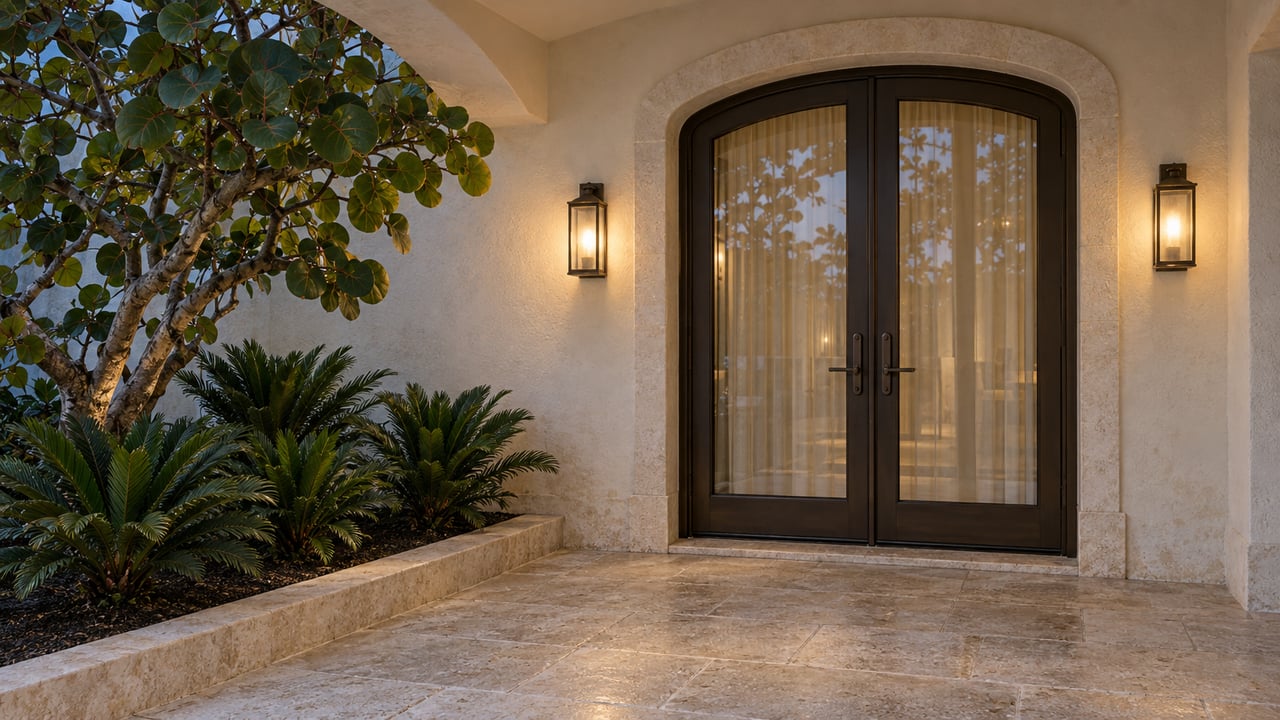
An earlier case makes the granularity even clearer. In a March 2025 hearing, the board approved a single-story addition to a landmark residence, but attached specific conditions: clear glazing on every street-facing window, external dimensional muntins of a minimum width, and retention of the original front door where it was judged historically significant. These are not zoning abstractions. They are line items that show up in a contractor's bid.
The math that actually costs you time
Here is where the calendar becomes real money. Staff-level review for minor, in-kind work typically moves in days to a few weeks. A full Certificate of Appropriateness that requires a board hearing generally runs six to twelve weeks from submittal to decision, and that clock does not include the building permit that follows once the COA is approved, or the possibility that the board sends you back for a revised submittal. Only after the COA is in hand can the building permit process even begin.
Stack that against the numbers already showing up in El Cid's resale market. As of late June 2026, homes in the neighborhood were averaging well over 120 days on market before going under contract. Some of that is pricing and some of it is simply the buyer pool self-selecting for people willing to sit through a preservation process most other Palm Beach County neighborhoods never require. A buyer who plans a gut renovation without pricing in the approval calendar is not just risking a delayed move-in date. They are risking a mismatch between what they told a lender or a family member to expect and what the city's process actually allows.
A possible tax benefit for qualifying renovations
The same ordinance that slows a renovation down also contains a financial mechanism buyers may want to consider before closing. Since February 14, 1994, the city has run an Ad Valorem Tax Exemption Program for designated historic properties. The mechanics are specific: if the Historic Preservation Board approves your renovation plans and you complete the work, the county property appraiser reassesses the home, and the increase in assessed value attributable to that renovation can be exempted from ad valorem taxes for ten years. The city's own example is a house assessed at $250,000 where an owner adds a kitchen, primary suite, and rear porch. If the reassessment brings the value to $290,000, the $40,000 increase is what gets exempted, not the whole property, just the improvement.
That distinction is the entire point. A buyer who understands the exemption before writing an offer can factor a decade of tax relief on the renovation portion into their post-close budget. A buyer who finds out about it after the reassessment letter arrives has already missed the chance to plan around it. The program rewards buyers who ask the right question at the right time, which in this case is before the Historic Preservation Board application goes in, not after.
What to actually confirm before you write an offer
If a home you are considering sits inside El Cid, Flamingo Park, Grandview Heights, or any of West Palm Beach's other locally designated districts, a few questions belong in your due diligence before financing contingencies expire, not after.
- Confirm the property's designation status directly with the city's Historic Preservation staff. National Register listing and local designation are related but not identical, and it is local designation that triggers exterior design review.
- Ask the seller or listing agent whether any prior Certificate of Appropriateness applications exist for the property, and what conditions, if any, were attached.
- If your plans include anything visible from the street, build six to twelve weeks into your renovation timeline for board review alone, on top of standard permitting.
- If the home sits in a flood zone and your renovation budget approaches half the home's value, confirm your elevation certificate early. According to Palmhouse Design & Build, under the federal 50 percent rule, a renovation that crosses that threshold requires the entire structure to meet current flood-compliance standards, a separate process from historic review but one that can run in parallel.
- Ask whether the seller has ever applied for or benefited from the city's Ad Valorem Tax Exemption Program, since that history can affect what improvements are already reflected in the current assessment.
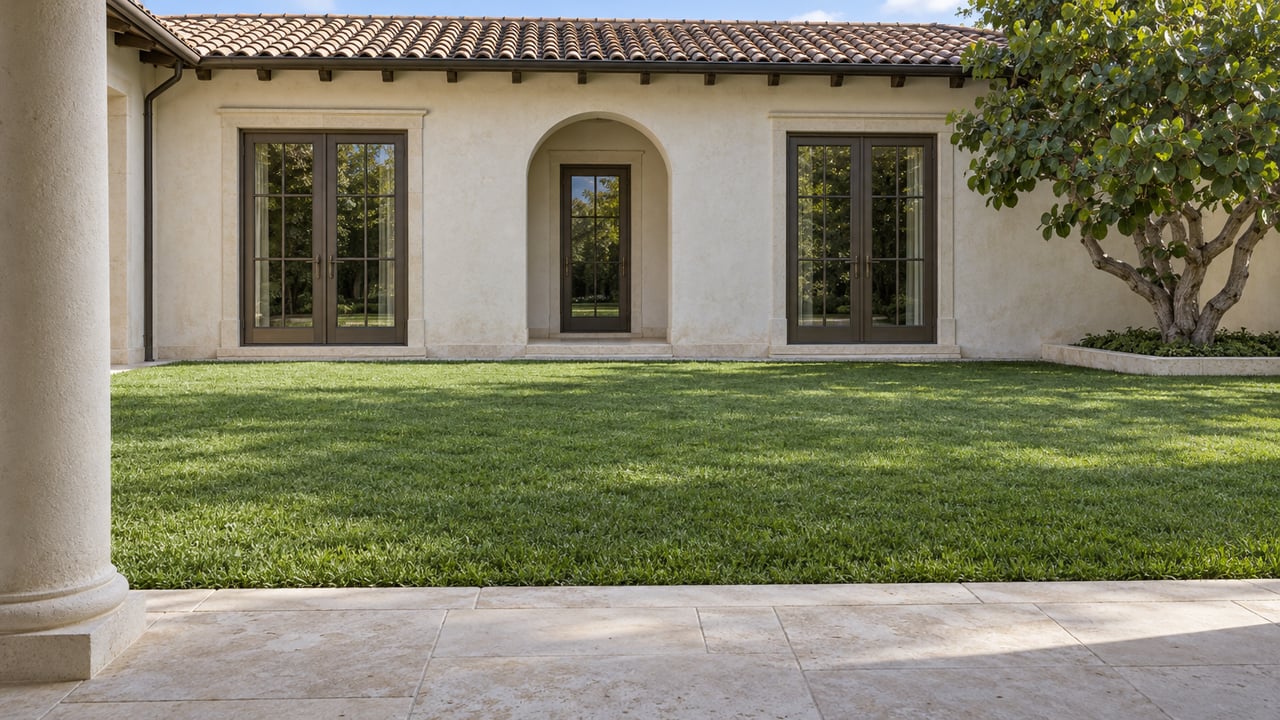
None of this is a reason to avoid these neighborhoods. El Cid remains one of the more architecturally distinctive addresses in West Palm Beach, with roughly 281 historic buildings dating to the 1920s land boom, several designed by architects Maurice Fatio and Howard Major, on a district listed on the National Register since August 1995. Flamingo Park carries its own architectural range, from Mission and Mediterranean Revival to Art Moderne and Colonial Revival, across a district built mostly between 1921 and 1949. The character that makes these blocks desirable is the same character the board is protecting. The friction is the price of the authenticity, not a flaw in it.
Frequently Asked Questions
Does National Register listing alone require board approval for renovations? Not necessarily. Local designation is what triggers the city's design review requirement. A home can carry National Register status for historical recognition while local designation is the piece that actually governs what you can change on the exterior. Confirm both with city staff rather than assuming one implies the other.
Can I repaint or make minor repairs without going through the board? General maintenance that does not require a permit, such as routine painting or minor exterior repair, typically does not trigger additional review. The threshold is whether the work needs a permit in the first place.
Does the tax exemption apply to a home I plan to renovate after closing? The exemption applies to the increase in assessed value from a board-approved renovation, regardless of when you purchased the home, as long as the Historic Preservation Board approves the plans before work begins and the county appraiser reassesses afterward.
Are West Palm Beach's rules the same as the Town of Palm Beach's? No. West Palm Beach's Historic Preservation Board and the Town of Palm Beach's Landmarks Preservation Commission are separate bodies with separate ordinances, separate meeting schedules, and separate submittal processes. A property a few miles apart can fall under an entirely different review authority.
Buying a historic home in West Palm Beach is a decision about architecture, location, and long-term value, not just a purchase price. Understanding the approval calendar and the tax mechanism behind it before you write an offer is what separates a smooth renovation from a stalled one.
If you are weighing a historic property in El Cid, Flamingo Park, or Grandview Heights against a newer build elsewhere in West Palm Beach or Palm Beach County, Breakers West Properties can walk through what a specific home's designation status actually means for your timeline and budget before you commit. Work With Sarah.
This article is general information, not legal, tax or financial advice. Consult a qualified professional about your situation.